5 Tips to Improve Your Graphic Design Skills
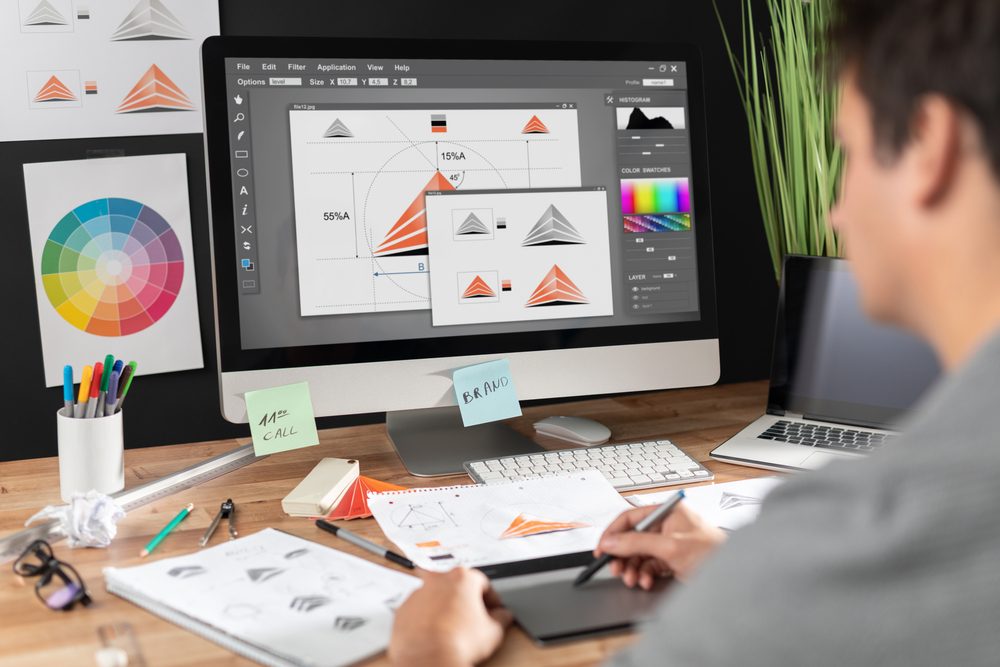
Design mastery is not an innate talent reserved for a select few; it is a discipline honed through deliberate practice, rigorous fundamentals, and creative curiosity.
The Journey from Amateur to Design Professional
Great graphic design communicates a clear message effortlessly before the viewer even consciously registers the aesthetic choices. Advancing your graphic design capabilities requires stepping beyond software tutorials and focusing on foundational visual communication.
5 Essential Tips for Graphic Designers
- Master the Grid and Embrace Whitespace: Every balanced design relies on a structured underlying grid. Whitespace (negative space) is not empty space—it is an active design element that creates breathing room, visual hierarchy, and sophistication.
- Limit Your Typefaces: Beginners often overcrowd projects with multiple conflicting fonts. Stick to a maximum of two complementary typefaces (e.g., a stately serif header paired with a crisp sans-serif body) and vary weights for contrast.
- Deep Dive Into Color Theory & Contrast: Study complementary, analogous, and monochromatic palettes. Ensure high contrast between foreground text and backgrounds to guarantee readability and accessibility compliance.
- Deconstruct and Recreate Inspiring Work: Take award-winning posters, website layouts, or editorial designs and attempt to rebuild them from scratch in your design software. This exercise reveals the subtle alignments, margins, and ratios used by master designers.
- Seek Constructive Criticism: Detach your personal ego from your creative output. Share drafts with fellow designers, ask for honest critique, and treat feedback as an essential refinement tool.
Continuous Daily Exploration
Dedicate 30 minutes every day to personal experimentation outside client deadlines. Sketching concepts by hand before opening digital tools frequently yields more original, compelling solutions.